What If Your Commute Could Work for You Instead of Against You?
Imagine turning your daily transit time into a quiet win—no stress, no confusion, just smooth, smart movement. You’re not just getting from home to work. You’re reclaiming minutes, even joy, in a routine that once drained you. This isn’t futuristic dreaming. It’s what happens when public transit tools adapt to *your* life—not the other way around. And the best part? It starts with small, doable tweaks anyone can make. Think about it: how much of your morning is spent rushing, second-guessing, or standing on a platform wondering if the train will ever come? What if that time could feel easier—lighter, even? That’s not magic. It’s thoughtful tech working quietly in the background, giving you back what matters most: peace of mind and personal time.
The Morning Rush That Doesn’t Have to Rush
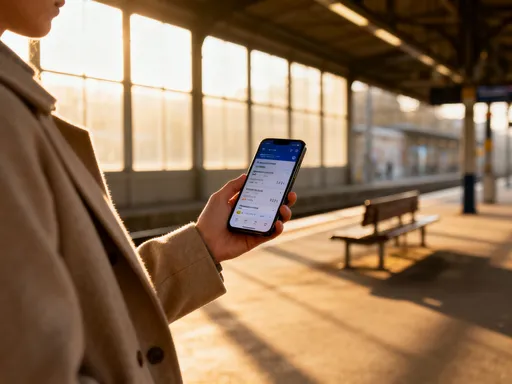
We’ve all been there—running late, checking schedules frantically, only to miss the bus by seconds. The frustration is real, and it sets the tone for the whole day. But what if your phone already knew when to leave? With today’s public transit apps, that’s not just possible—it’s simple. These tools go beyond showing arrival times. They learn your habits. If you take the same train every weekday at 8:15, the app starts anticipating your needs. You can set personalized reminders that say, “Leave in 8 minutes,” based on real-time traffic, delays, and your walking speed to the station. No more guessing. No more sprinting in heels or with a backpack swinging wildly behind you.
Think about how much mental energy you spend just getting out the door. Will the bus be early? Did they change the route? Is there construction I don’t know about? These tiny questions pile up and create invisible stress. But when your phone becomes your transit partner, you shift from reacting to planning. You’re no longer chasing the schedule—you’re in sync with it. One mom in Chicago told me she used to wake up 15 minutes earlier just to buffer for uncertainty. Now, she uses that time to sip her tea and read a few pages of her book. “It feels like I’ve gained time,” she said, “but really, I’ve just stopped losing it.”
And here’s the thing: these apps don’t require a tech degree to use. Most are designed with simplicity in mind. They send quiet notifications, show color-coded delays, and even suggest alternate routes if something goes wrong. The best part? They work in the background. You don’t have to open them every five minutes. They’re like a calm, reliable friend whispering, “You’re good. You’ve got this.” That shift—from anxiety to assurance—changes everything. Your morning isn’t a race anymore. It’s a rhythm.
Turning Transit Time into “Me Time”
When your route is predictable, your mind is free. That’s the real gift of smart transit tools. Instead of staring at delays or refreshing the app every 30 seconds, you can finally lean back and breathe. You know when your ride is coming. You trust the system. And that trust creates space—mental space—for the things you’ve been putting off. Reading. Listening. Planning. Even just resting.
I spoke with a teacher from Portland who uses her 25-minute train ride to finish audiobooks. “I used to feel guilty about not reading more,” she shared. “Now, I’ve finished four novels this year—on my commute.” Another woman, a nurse, listens to language lessons. “I’ve always wanted to speak Spanish,” she said. “Now, I practice every day without carving out extra time.” A college student uses the time to review flashcards. No distractions. No interruptions. Just focused learning while the city moves outside the window.
This isn’t about being “productive” in a pressured way. It’s about having the freedom to choose. Some days, “me time” means getting ahead. Other days, it’s closing your eyes and listening to calming music. The point is, you get to decide—because you’re not stuck in survival mode anymore. You’re not wondering, “Did I miss it?” or “Is this the right stop?” You’re present. You’re in control.
And that shift has ripple effects. When you arrive at work or home feeling calm instead of frazzled, your whole demeanor changes. You’re more patient. More focused. More yourself. One woman told me her husband noticed the difference right away. “You’re not rushing in the door anymore,” he said. “You’re just… here.” That’s the power of reclaimed time. It doesn’t just add minutes to your day. It adds peace to your life.
How Small Tech Habits Optimize Your Living Space
You might not think your commute affects your home—but it does. When transit is unpredictable, your whole household feels the strain. You grab your keys last minute. You forget your charger. You leave the house with mismatched shoes because you’re too focused on not missing the bus. But when your commute runs smoothly, your home life follows suit. Fewer missed rides mean fewer backup plans—like calling a ride-share or borrowing a car. That reduces clutter in your life: less need for multiple transport apps, fewer last-minute decisions crowding your mind.
When one tool handles your commute reliably, your home environment reflects that calm. Keys, chargers, and bags end up in the same spot every night. You develop a routine. You charge your phone before bed because you know you’ll need it in the morning. You lay out your coat and scarf the night before, not because you’re obsessive, but because you’re prepared. Your morning flow becomes a ritual, not chaos.
One woman in Seattle told me that since she started using a single transit app consistently, her entryway has changed. “I used to have three different ride-share apps open on my phone, plus a paper schedule taped to the fridge,” she said. “Now, I just have one app, and everything I need is by the door.” That simplicity spills over. She’s started using the same approach for grocery shopping and school pickups. “When one part of life gets easier,” she said, “it makes you want to streamline everything.”
Technology, in this way, doesn’t live on your phone—it shapes your hallway, your kitchen, your peace of mind. It’s not about having the fanciest gadgets. It’s about using what you already have to create order. And when your home feels calmer, you feel calmer. You’re not starting your day in scramble mode. You’re beginning with intention.
Smarter Routes, Stronger Routines
Most transit apps don’t just show you one route—they show options. And learning to glance at those alternatives, even briefly, can save you time and stress when disruptions happen. But it’s not just about speed. It’s about control. When you know there’s a backup plan, you’re less tense. You’re not helpless when the bus is delayed. You’re prepared.
Take weather, for example. Rainy mornings often mean longer waits and slower rides. But if your app shows you a bike-share station nearby, you might choose to pedal the last mile instead of standing in the cold. Or if there’s a festival downtown, you can see which subway line is less crowded and adjust your route accordingly. These aren’t big decisions. They’re micro-choices. But over time, they build resilience in your daily rhythm.
One woman in Boston told me she used to get anxious when her usual bus was late. “I’d stand there, frustrated, thinking, ‘This ruins everything.’” Now, she checks her app and says, “Okay, what are my options?” Sometimes she walks. Sometimes she takes a different line. “I don’t see delays as failures anymore,” she said. “I see them as information.” That shift in mindset is powerful. It turns frustration into flexibility.
And that adaptability doesn’t stay on the platform. It spills into other areas of life. When you get used to making small, smart adjustments, you start applying that to your schedule, your meals, your family routines. You become more confident in your ability to handle the unexpected. That’s the quiet benefit of using transit tech well—not just smoother commutes, but a stronger, more adaptable you.
Family Life Gets Easier When Transit Works
When one parent’s ride runs late, it can ripple through the whole household. Dinner gets delayed. Kids’ bedtime routines shift. The other parent ends up juggling more than planned. But with shared arrival times and live tracking, that stress can fade. Imagine seeing your partner’s bus is 3 minutes away—no need to call, no guessing, no “Where are you?” texts. You know. And that small certainty makes a big difference.
Real-time coordination helps families sync without stress. One mom in Minneapolis uses the family calendar linked to transit alerts. When her husband’s train is delayed, she adjusts dinner time without panic. “I used to get annoyed,” she admitted. “Now, I just check the app and move things around. It’s not personal. It’s just data.” That shift—from blame to planning—changes the tone of the whole evening.
Kids’ schedules benefit too. If you’re picking up your daughter from soccer practice, you can time your arrival perfectly. No more circling the block or calling the coach to ask, “Is practice over yet?” You see the clock, you see the route, you know when you’ll get there. And when kids see that their parents are calm and on time, they feel more secure. They don’t absorb that background anxiety of “Will Mom make it?”
The tech isn’t cold or distant—it becomes part of your care, your connection, your shared rhythm. It’s not about replacing conversation. It’s about reducing the noise so the important things can be heard. When logistics are handled quietly, you have more space for laughter, for questions, for “How was your day?” That’s how technology, used thoughtfully, supports not just movement—but love.
The Quiet Confidence of Knowing Your Way
There’s a quiet power in never being lost. Not just physically—but mentally. When transit tools handle the logistics, your brain relaxes. You walk with purpose, not panic. You’re not scanning signs or double-checking maps. You’re moving forward, confident in your path. That calm spreads—into work, into conversations, into sleep.
One woman told me she used to dread visiting new parts of the city. “I’d over-prepare,” she said. “Print out directions, call a friend to walk me through it.” Now, she uses her app like a co-pilot. “I still pay attention,” she said, “but I don’t stress. I trust it.” That trust has changed how she experiences the world. She’s more willing to try new restaurants, attend events across town, even explore on weekends. “I feel like I own the city now,” she said. “Not the other way around.”
This isn’t about being high-tech. It’s about being *at ease*. And that ease isn’t just personal—it affects how you show up for others. When you’re not mentally drained by logistics, you have more energy for your team at work, for your kids’ questions, for your own hobbies. You’re not just moving through the city. You’re moving through life with more certainty, one small, trusted update at a time.
And here’s the beautiful part: the more you use these tools, the more they adapt to you. They learn your favorite routes, your usual stops, your preferred times. They become invisible. You don’t think about them until they’re gone. And when they work, they don’t shout. They whisper: *You’ve got this.*
Building a Life That Moves With You—Not Against You
Eventually, these small wins add up to something deeper: a life that feels lighter. You’re not fighting your routine—you’re refining it. Public transit tech, used thoughtfully, becomes invisible, like indoor lighting or clean water. You don’t think about it until it’s gone. And when it works, it doesn’t shout. It whispers: *You’ve got this.* That’s the real promise—not faster buses, but a calmer, clearer, more centered you.
Think about the woman who now drinks her tea in the morning. The nurse learning Spanish. The mom who no longer texts “Where are you?” in frustration. These aren’t big revolutions. They’re quiet upgrades. But they matter. They add up to more joy, more control, more space in a life that often feels too full.
And the best part? You don’t need a new device. You don’t need to learn complicated software. You just need to use what you already have—a smartphone and a few well-chosen apps—with intention. Start small. Pick one habit: set a reminder, check your route the night before, share your arrival time with a family member. See how it feels.
Because this isn’t really about technology. It’s about reclaiming your time, your energy, your peace. It’s about designing a life that works for you—not against you. And when your commute becomes part of that design, something shifts. You stop surviving your day. You start living it. Fully. Calmly. Confidently. That’s not too much to ask. And with the right tools, it’s completely within reach.