Tired of Losing Late-Night Ideas? How Voice Memos Keep Your Creative Projects Alive
Ever had a brilliant idea strike right before bed, only to vanish by morning? You're not alone. That half-awake moment can spark your best creative insights—yet without a way to capture them, they slip away. Voice memo apps quietly change this. They turn fleeting thoughts into real progress. No typing, no turning on lights—just speak. In this article, I’ll share how something so simple can power your projects, protect your ideas, and make your creative life easier, one whisper into your phone at bedtime.
The Midnight Spark: When Creativity Awakens
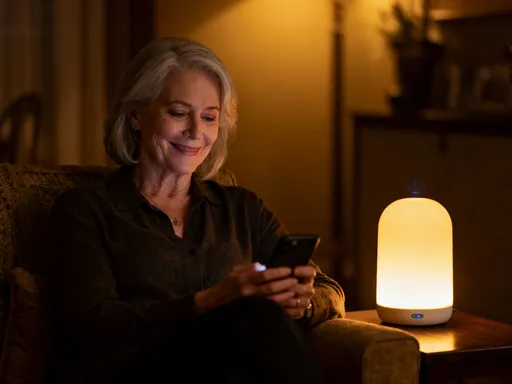
It’s 11:47 p.m. You’re finally sinking into your pillow, the day winding down, when—bam—an idea hits. Not just any idea. The kind that feels like it came from somewhere deeper than thought. Maybe it’s the opening line of a story you’ve been stuck on for weeks. Or the perfect name for your handmade jewelry brand. Or even a clever way to teach your youngest how to tie her shoes. Your eyes pop open. Your heart speeds up a little. This is it. This is good.
And then… you drift off. Just a little too fast. And by morning, it’s gone. Vanished like steam from a shower. You remember somewhere in your mind that something important happened, but the details? Fuzzy. Frustrating. Maybe you mutter, “I knew I should’ve written it down.” But let’s be honest—were you really going to turn the light on, find your glasses, open your notes app, and type in the dark? Of course not. And that’s not laziness. That’s being human.
This isn’t just a bedtime annoyance. It’s a real loss. Because those late-night moments—when your brain is relaxed, your guard is down, and your subconscious is doing laps around your conscious mind—are some of the most fertile times for creativity. Scientists have found that the pre-sleep state, known as hypnagogia, can unlock unusual connections and insights. It’s why artists, writers, and inventors throughout history have kept notebooks by their beds. Thomas Edison famously held ball bearings in his hand as he drifted off, so they’d clatter to the floor and wake him the moment he lost consciousness—just in time to capture the ideas bubbling up.
But most of us aren’t holding ball bearings. We’re holding blankets. And the truth is, we don’t need to be geniuses to benefit from this creative window. We just need a better tool. One that respects the reality of being tired, half-asleep, and not in the mood to do anything complicated. That’s where voice memos come in—not as a tech upgrade, but as a lifeline for your best thinking.
Why Voice Memos Work When Nothing Else Does
Let’s talk about friction. That’s the real enemy of late-night ideas. Not forgetting. Not lack of talent. It’s the tiny effort it takes to act. Opening an app. Unlocking your phone. Typing in the dark. Even the soft glow of a screen can disrupt your sleep rhythm. And when you’re on the edge of sleep, even small barriers feel huge. That’s why so many brilliant thoughts die before they’re born.
But speaking? Speaking is easy. It’s natural. It’s something you’ve been doing since you were two. And when you’re drowsy, your mouth works better than your fingers. Try typing “I think the character should leave the town because she finally understands her mother’s sacrifice” at 11:30 p.m. Your thumbs will miss half the letters. Now try saying it. It flows. Your voice carries the rhythm, the emotion, the urgency. And most phones today let you start a recording with just one tap—sometimes even with a voice command like “Hey Siri, record a memo.”
There’s something else, too. Voice captures more than words. It holds tone. A whisper can say, “This is fragile, protect it.” A sudden burst of energy says, “This matters!” You might laugh at your own idea, and that laugh becomes part of the memory. When you listen back, you don’t just hear the content—you feel the moment. A written note says, “Call Sarah about the fundraiser.” A voice memo says, “Oh my gosh, call Sarah—what if we made it a garden party? With fairy lights and lemonade stands for the kids? She’ll love it!” That energy? It’s motivating. It pulls you back in.
And let’s not forget accessibility. You don’t need perfect spelling. You don’t need to format anything. You don’t even need to sit up. You can mumble into your pillow if you want to. This is especially helpful if you’re recovering from illness, managing chronic pain, or just plain exhausted. Voice memos meet you where you are. They don’t judge. They don’t demand. They just listen.
Turning Whispers into Real Creative Progress
Here’s the magic most people miss: a voice memo isn’t just a placeholder. It’s a seed. And seeds grow.
Take Maria, a mother of two who runs a small baking business from home. One night, she woke up thinking, “What if I made cupcakes shaped like garden vegetables for the school fair?” She recorded it in a sleepy mumble. Two days later, during her weekly review, she listened to it while folding laundry. That one whisper turned into a full product line—carrot cupcakes with orange frosting, tiny beet cookies with red centers. It became her most popular summer offering.
Or consider James, a high school teacher writing a memoir about his father. He’d been stuck for months. Then one night, he remembered a fishing trip—the smell of the lake, the way his dad tied the hooks, the silence between them that somehow said everything. He recorded it in fragments: “Green tackle box… blue sky… he never said ‘I love you,’ but he packed my sandwich every time…” That memo became the emotional core of his entire chapter.
These aren’t flukes. They’re patterns. When you start saving your voice memos, you’re not just collecting ideas—you’re building momentum. Each recording is a tiny commitment to your creativity. And over time, they stack up. You begin to trust that your mind is working even when you’re not “doing” anything. That trust reduces anxiety. You stop worrying, “What if I forget?” and start wondering, “What will I think of next?”
There’s also a psychological benefit to “parking” your thoughts. Have you ever laid in bed, mentally rehearsing a to-do list, unable to sleep because your brain won’t shut off? Voice memos can help with that, too. Instead of looping the same thoughts, you can say, “Okay, brain, I hear you. I’ll handle this tomorrow. But for now, let’s record it so it’s safe.” Then press stop. It’s like giving your mind permission to rest.
Building a Bedtime Ritual That Feeds Your Creativity
The best habits are the ones you don’t have to think about. That’s why your voice memo practice should be as simple as brushing your teeth. No extra steps. No fancy setup. Just consistency.
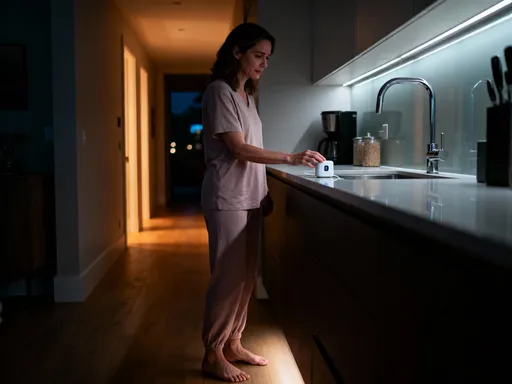
Start by placing your phone where you can reach it without sitting up. Maybe on the nightstand. Maybe under your pillow (if you don’t mind the bulk). Get used to the idea that this is part of your wind-down routine—right after reading, right before closing your eyes. You don’t need to do it every night. You don’t need to speak for more than 15 seconds. Even one meaningful memo a week can change your creative trajectory.
Try pairing it with something you already do. After you say goodnight to your partner. After you finish your herbal tea. After you check that the back door is locked. These small anchors make the habit stick. And over time, your brain will start to expect it. You’ll begin to notice ideas more, simply because you’ve created a safe place for them.
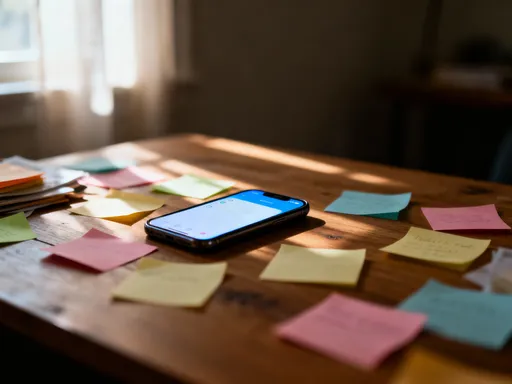
Want to make it even easier? Use a consistent app. Don’t switch between three different recording tools. Pick one and stick with it. Give your memos clear names—like “Blog idea – summer picnic theme” or “Gift idea – Mom’s birthday.” That way, when you go back to review, you’re not wading through 47 files called “Memo 1,” “Memo 2,” “Another one.”
And don’t underestimate the power of a simple ritual phrase. Mine is: “This is for later.” I say it at the start of every bedtime memo. It signals to my brain that this idea is important, but it doesn’t need to be acted on now. It’s not urgent. It’s valuable. And it’s safe.
Choosing the Right App Without the Overwhelm
Here’s the good news: you probably already have a perfectly good voice memo app on your phone. If you have an iPhone, it’s called Voice Memos. If you’re on Android, it might be Sound Recorder or Voice Recorder. These built-in tools are simple, reliable, and don’t require downloads or subscriptions. They work offline. They save automatically. And they’re private—your recordings stay on your device unless you choose to share them.
That’s important. Because these ideas? They’re personal. They’re raw. They might be half-formed, emotional, or silly. You don’t need an app that uploads everything to the cloud by default or analyzes your voice patterns for ads. You need something quiet. Something trustworthy. Something that just works.
Now, if you have special needs—like wanting to transcribe memos automatically or sync across multiple devices—then yes, you might explore other options. Apps like Otter.ai or Rev offer transcription, which can be helpful if you want to turn spoken words into text later. But be aware: these often require internet, subscriptions, and data sharing. For most bedtime use, they’re overkill.
The real question isn’t “Which app has the most features?” It’s “Which app will I actually use?” And for most of us, the answer is the one already on our home screen. No setup. No learning curve. Just tap, speak, save.
If you do decide to try something else, give it a one-week test. Use it every night. Then ask yourself: Did it make capturing ideas easier? Or did it add steps, doubts, or distractions? If it didn’t feel seamless, go back to the simple one. Technology should serve your life, not complicate it.
From Fragment to Finished Work: Organizing Your Audio Ideas
Here’s where many people get stuck. They start recording—but then the memos pile up. Unlistened. Unsorted. Forgotten. And eventually, the habit fades.
The fix? A simple weekly review. Pick a time—Sunday morning with coffee, Wednesday lunch break, whenever works. Just 15 to 20 minutes. Open your voice memo app. Play through the week’s recordings. Don’t try to act on everything. Just listen. Take notes if you want. Or use a second recording to summarize: “Three ideas from this week: 1) Start a garden journal. 2) Redo the porch railing. 3) Call Aunt Lisa about the family recipe.”
As you listen, ask: Which idea feels alive? Which one makes your heart beat a little faster? That’s the one to act on. Don’t try to do everything. Just pick one. Maybe you transcribe it into your journal. Maybe you email it to a friend for feedback. Maybe you add it to your project board. The goal isn’t to finish—it’s to move forward.
Some ideas will be keepers. Others will sound silly in the light of day. That’s okay. Not every seed grows. But you can’t harvest if you don’t plant. And the act of reviewing teaches you something valuable: you’re more creative than you think. You’re having ideas all the time. You just weren’t catching them before.
Over time, you’ll develop your own system. Maybe you create folders: “Projects,” “Gifts,” “Family,” “Self-Care.” Maybe you use voice tags: “Urgent,” “Fun,” “For Later.” Maybe you record follow-ups: “This is a follow-up to the garden party idea—add strawberry shortcake station.” These small acts turn chaos into clarity. And clarity leads to action.
Peace of Mind, One Recording at a Time
At its heart, this practice isn’t really about productivity. It’s about respect. Respect for your own mind. For the quiet voice that speaks in the dark. For the part of you that never stops creating, even when you’re resting.
Every time you press record, you’re saying: “I matter. My thoughts matter. This idea, however small, is worth keeping.” That’s powerful. It builds self-trust. It tells your subconscious, “Keep going. I’m listening.” And over time, you’ll find that ideas come more freely. Not because you’re trying harder—but because you’ve created a safe space for them to land.
There’s also a deep sense of calm that comes from knowing nothing is lost. No more frantic morning searches for “what was that thing I thought of last night?” No more guilt for not acting fast enough. You’ve built a safety net. And that freedom allows you to relax—not just at night, but during the day, too.
In a world that often feels too loud, too fast, too demanding, this small act is a form of self-care. It’s you giving yourself permission to be creative without pressure. To explore without judgment. To whisper into the dark and know that someone—your future self—is listening.
So tonight, before you close your eyes, try it. Pick up your phone. Take a breath. And say what’s on your mind. It doesn’t have to be perfect. It doesn’t have to be long. It just has to be yours. Because the world needs your ideas. And you? You deserve to remember them.