We just wanted to hang out without scrolling" — How fitness apps brought us closer
You know that moment when you and your friends finally meet up, but everyone’s half-distracted by their phones? We’ve all been there. What started as a simple plan to walk together turned into something bigger — a weekly ritual that keeps us connected, moving, and truly present. It wasn’t magic. It was an app. Not one that nagged us to exercise, but one that made staying active a shared joy. Let me tell you how something as simple as tracking our walks together quietly transformed our friendship — and our lives.
The Night Everything Changed Without Us Noticing
It was a Tuesday evening, nothing special. Rain tapped lightly against the café windows, and we were squeezed into a corner booth, laughing over lukewarm lattes. We’d met like this for years — catching up, venting about work, sharing updates about our kids, our homes, our routines. But that night, something felt off. We were together, yes, but also scattered. One friend was scrolling through a news alert, another was replying to a text, and I caught myself checking my email — again. We were in the same room, but not really in it.
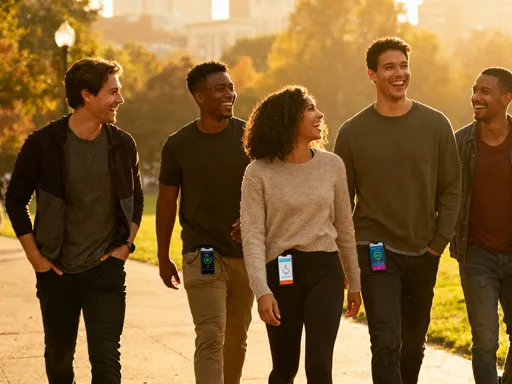
Then, Sarah leaned back, sighed, and said, “I don’t want to go home yet. Let’s just… walk. No destination. No agenda. Just move.” It wasn’t dramatic. It wasn’t planned. But it was exactly what we needed. We bundled up, stepped outside, and started walking through the quiet streets, our breath visible in the cool air. We talked about nothing and everything — the way we used to when we were younger, before life got so full.
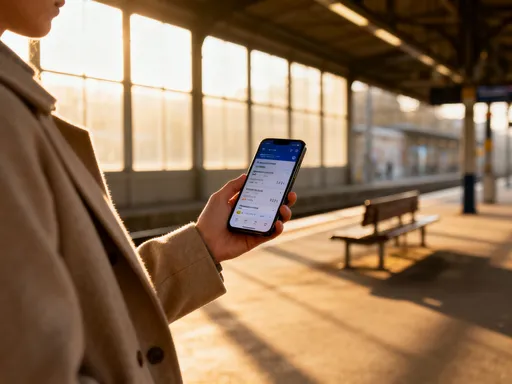
Halfway through, Maya pulled out her phone. My first thought? Oh great, here we go again. But she wasn’t texting. She opened a fitness app — one we’d all downloaded months ago and forgotten — and said, “Let’s see where this takes us.” We didn’t care about steps or pace. We just wanted to remember the moment. The app started tracking, quietly, almost invisibly. And that night, something shifted. It wasn’t the walking. It was the way the app held the memory of us — together, moving, present. When we checked it later, the little green line on the map wasn’t just a route. It was a story. We walked here. We laughed here. We were here. And for the first time in a long time, that felt like enough.
From Forgotten Phones to Shared Journeys
Remember when phones were supposed to bring us closer? And then somehow, they did the opposite? We’d gather for dinner, only to find everyone’s eyes glued to a screen. Group chats buzzed with updates, but real conversations grew quieter. I remember feeling guilty — not because I was addicted, but because I didn’t know how to stop. The phone wasn’t just a tool. It had become a habit, a reflex. Reach for it when it’s quiet. Scroll when you’re nervous. Check it when you don’t know what to say.
But this app — it didn’t ask for our attention. It didn’t ping us with badges or push notifications that made us feel guilty for sitting on the couch. It didn’t turn our friendship into a competition. Instead, it ran quietly in the background, like a silent witness to our time together. We’d walk, talk, stop to pet a dog, argue about which way to go, and the app just… recorded it. No pressure. No judgment.
The real magic happened the next day, when one of us would say, “Hey, look at the route we took!” And suddenly, we weren’t just remembering the walk — we were reliving it. That little loop around the park? That’s where Lisa told us about her daughter’s school play. The long stretch by the river? That’s where we walked in comfortable silence when someone needed space. The app didn’t replace our memories. It helped us see them more clearly. It turned our walks into something tangible — not data, but meaning. We weren’t tracking fitness. We were tracking friendship.
And slowly, our phones started to feel different. Instead of being the thing that pulled us apart, they became part of what kept us close. We weren’t using them to escape the moment. We were using them to remember it. That’s a powerful shift — not just in how we use technology, but in how we show up for each other.
How the App Fits Into Real Life (Not the Other Way Around)
I’ll be honest — I used to roll my eyes at fitness apps. I thought they were for people with perfect morning routines, matching workout clothes, and the energy to do burpees before breakfast. My life doesn’t work like that. Some days, I’m up at 5 a.m. with the kids. Others, I’m falling into bed at midnight after one more load of laundry. I don’t have time for rigid schedules or complicated tracking. I need something that fits into my chaos, not something that adds to it.
That’s why this app worked. It didn’t ask me to change my life. It just asked me to keep living it — and let it tag along. No manual start. No logging meals or heart rates. No reminders that made me feel bad for skipping a day. It just turns on when we start moving. That’s it. Simple. Silent. Seamless.
Some weeks, we meet after work, still in our jeans and boots. Other times, it’s a lazy Sunday, and we’re in sweatpants, sipping iced tea from a thermos. The app doesn’t care. It tracks us just the same. It doesn’t demand perfection. It celebrates presence. And because it’s so easy, we never talk about “making time” for it. We just show up — and the app does the rest.
That’s the kind of technology I can get behind. Not the kind that tells me what I’m doing wrong. Not the kind that makes me feel behind. But the kind that says, You’re already doing something good. Let me help you see it. It’s not about optimizing my life. It’s about honoring it — messy, imperfect, and beautiful.
Making Movement Meaningful, Not Mandatory
I used to think exercise had to look a certain way. It had to be hard. It had to make you sweat. It had to be planned, measured, tracked with military precision. And if it didn’t, it didn’t count. So I’d skip it. Because life got busy. Because I was tired. Because no 30-minute workout felt worth the effort of getting dressed, driving to the gym, and feeling awkward on the treadmill.
But walking with my friends? That never felt like exercise. It felt like hanging out. It felt like therapy. It felt like breathing. And because it didn’t come with rules or expectations, we did it — week after week. We didn’t say, “Let’s go work out.” We said, “Want to catch up?” And walking became our way of doing that.
The app didn’t change that. But it did help us see how much we were doing without even realizing it. When we looked back at our weekly summary, we’d see five walks — sometimes short, sometimes long, but always consistent. And instead of thinking, That’s not enough, we’d say, We showed up. Five times. That’s not failure. That’s friendship in motion.
And here’s the thing — we didn’t start walking to lose weight or train for a race. We started to be together. But over time, our bodies noticed. I have more energy. My sleep is better. I carry stress differently. But those aren’t the reasons I keep going. I keep going because I miss them when we don’t meet. I keep going because I feel lighter — not just physically, but emotionally. The app didn’t create that change. It just helped us stay consistent in a way that never felt like a chore.
Movement doesn’t have to be a task on your to-do list. It can be the space between conversations. It can be the rhythm of your friendship. And when it feels that natural, you don’t need motivation. You just need each other.
The Joy of Showing Up — For Ourselves and Each Other
Last winter, Jenna went through a really tough time. Her mom was ill, her youngest was struggling in school, and she was running on empty. We wanted to help, but we didn’t know how. Calling felt too formal. Texting felt too distant. Showing up with casseroles was kind, but it didn’t fix the loneliness.
Then Sarah said, “Let’s just walk with her.” No big speech. No pressure. Just, We’ll be there. Wear your sneakers. So we did. We met at her house, and the four of us walked in silence at first. The air was sharp, the sidewalks icy, but we kept going. We didn’t try to fix anything. We didn’t offer advice. We just walked beside her.
And the app tracked it — that slow, quiet walk where most of the healing happened without words. Later, when Jenna was ready, she looked at the app and said, “I didn’t think I could move that day. But I did. And you were all there.”
That’s when I realized — this wasn’t just about fitness. It was about showing up. Not with solutions, but with presence. Not with answers, but with time. The app didn’t create that moment, but it helped us see its value. When we looked back, we could see the walks that were harder, shorter, slower. But we were still moving. Still together. Still choosing connection over isolation.
That’s the kind of support that lasts. Not grand gestures. Not perfect words. Just showing up, step by step, even when it’s hard. And sometimes, that’s the most powerful thing you can do for someone — and for yourself.
Why Ease Matters More Than Perfection
We live in a world that loves metrics. Steps. Calories. Heart rate. Sleep score. We’re trained to believe that if it’s not measured, it doesn’t matter. But real life doesn’t work in neat numbers. Some days, we walk three miles. Others, we barely make it around the block. Some weeks, we meet four times. Others, life gets in the way, and we don’t see each other at all.
And the beautiful thing about this app? It doesn’t shame us for that. It doesn’t send a red alert when we skip a week. It doesn’t compare us to strangers or tell us we’re falling behind. It just says, “You were here. You moved. You were together.” That’s it. No judgment. No pressure. Just acknowledgment.
And that simplicity is what made it stick. Because we didn’t need another thing to manage. We needed something that made life easier, not harder. We didn’t need to be perfect. We needed to feel good about showing up — even if it was late, even if it was short, even if we were tired.
That’s the secret no one talks about: sustainability isn’t about intensity. It’s about ease. It’s about removing friction, not adding more. When something feels light, you do it more. When it feels like a gift, not a task, you keep coming back. And over time, those small, easy choices add up to real change.
The app didn’t transform our lives because it pushed us to do more. It transformed our lives because it helped us enjoy what we were already doing. It celebrated the ordinary. It honored the imperfect. And in doing so, it made consistency feel natural — not forced.
How This Changed More Than Our Fitness
If I told you this app changed our health, that would be true. But it would also be incomplete. Yes, we’re stronger. Yes, we have more energy. But those aren’t the biggest wins. The real change happened in the way we listen now. In the way we laugh — louder, longer, more freely. In the way we handle stress — not by burying it, but by walking it out, together.
We’ve created something rare: space to just be. No roles. No responsibilities. Just us, moving at our own pace, talking about whatever matters that day. And in that space, we’ve rediscovered parts of ourselves we’d forgotten — the dreamer, the joker, the quiet one who sees everything.
The app didn’t fix our lives. It didn’t solve our problems. But it gave us a ritual — a simple, repeatable way to reconnect, not just with each other, but with ourselves. It reminded us that we don’t have to wait for a vacation or a weekend getaway to feel close. We just need to step outside, start walking, and let the conversation unfold.
And here’s the thing — we don’t even talk about the app much anymore. It’s just… there. Like a trusted friend who knows when to speak and when to stay quiet. It doesn’t demand attention. It just holds the space for us to show up as we are.
So if you’re looking for a way to feel more connected — to your friends, to your body, to your life — don’t wait for a big change. Start small. Meet a friend. Walk. Talk. Let the app do the rest. You don’t need a perfect plan. You don’t need fancy gear. You just need the willingness to show up — for yourself, and for each other.
Because the best things in life aren’t tracked. But when something helps you see how far you’ve come — together — it’s worth keeping close. That green line on the map? It’s not just a route. It’s a reminder: we’re still here. We’re still moving. And we’re doing it side by side.