How I Stayed Strong After Illness—Simple Moves That Actually Work
Recovering from a health setback isn’t just about waiting—it’s about moving forward the right way. I learned this the hard way after my own struggle. Small, consistent rehabilitation habits made a real difference in my energy, mobility, and confidence. This guide shares practical, science-backed methods that helped me regain control. Remember, this isn’t medical advice—always consult your doctor. But if you’re looking for realistic steps to support recovery and prevent setbacks, you’re not alone—and help is within reach.
Understanding Rehabilitation: More Than Just Recovery
Rehabilitation is often misunderstood as something only necessary after surgery, a serious injury, or a long hospital stay. In reality, rehab is much broader—it’s about restoring and maintaining the body’s ability to function well in daily life. Think of it like routine maintenance for a car. Just as regular oil changes and tune-ups keep an engine running smoothly and prevent breakdowns, consistent rehabilitation practices help keep the body resilient, balanced, and strong. Without this kind of care, even minor health disruptions can lead to longer recovery times or new complications.
One of the most common misconceptions is that rehabilitation is only for people with visible disabilities or severe conditions. But the truth is, everyone benefits from rehab principles, especially after illness. Whether recovering from pneumonia, a prolonged period of inactivity due to chronic fatigue, or the effects of aging, the body often loses strength, flexibility, and coordination. Rehabilitation addresses these losses not just to restore what was there before, but to build a stronger foundation for the future. It’s not about returning to “normal”—it’s about becoming more capable than before.
Scientific evidence supports the preventive power of rehabilitation. Studies show that individuals who engage in structured rehab after illness are less likely to experience repeat hospitalizations or functional decline. This is because rehab strengthens not just muscles, but also balance, endurance, and joint stability—all of which reduce the risk of falls and injuries. It improves circulation, supports better breathing, and enhances overall energy levels. In this way, rehabilitation acts as a shield, protecting the body from future setbacks by boosting its natural resilience.
Another key point is that rehabilitation does not require special equipment or a clinical setting. Many effective rehab techniques can be done at home, with minimal space and no cost. The focus is on consistency, awareness, and gradual progression. The goal is not to push the body to exhaustion, but to re-educate it—to remind it how to move safely, efficiently, and with confidence. This reconnection between mind and body is one of the most powerful aspects of the rehab process, especially after a period of illness when the body may feel unfamiliar or unreliable.
The Mindset Shift: From Waiting to Acting
One of the biggest obstacles to recovery is the belief that healing only happens through rest. While rest is essential, especially in the early stages of recovery, too much inactivity can actually slow progress. The body is designed to move, and when it remains still for too long, muscles weaken, joints stiffen, and energy levels drop. This phenomenon, known as deconditioning, can turn a temporary illness into a longer-term struggle with fatigue and weakness. The shift from passive rest to active recovery is often the turning point in regaining strength.
Active recovery means engaging in gentle, intentional movement that supports the body’s natural healing processes. It’s not about intense workouts or pushing through pain—it’s about signaling to the body that it’s safe to rebuild. When you move regularly, even in small ways, you stimulate blood flow, deliver oxygen to tissues, and activate muscle fibers that have been dormant. This helps prevent muscle atrophy and improves circulation, both of which are critical for recovery. Research shows that early mobilization after illness leads to faster recovery times and better long-term outcomes.
Beyond the physical benefits, active recovery has a profound impact on mental well-being. After illness, many people feel anxious about their health, worried about relapse, or frustrated by their limitations. Taking small, deliberate actions each day helps restore a sense of control. Each stretch, each short walk, each deep breath becomes a quiet affirmation: “I am healing. I am capable.” This shift in mindset builds confidence and reduces the fear that often accompanies recovery. It transforms the experience from one of waiting for permission to feel better, to actively participating in the process.
It’s important to recognize that this mindset shift doesn’t happen overnight. It’s normal to feel hesitant, especially if previous attempts at movement led to fatigue or discomfort. That’s why pacing and consistency are so important. The goal is not to do everything at once, but to build trust with your body over time. Start with what feels manageable—even 30 seconds of stretching counts. Over time, these small actions add up, creating a rhythm of movement that supports both physical and emotional recovery.
Movement as Medicine: Daily Mobility Practices
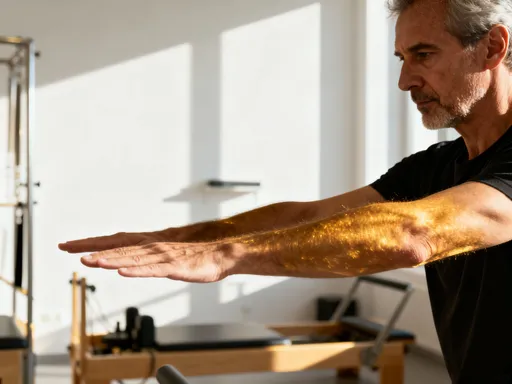
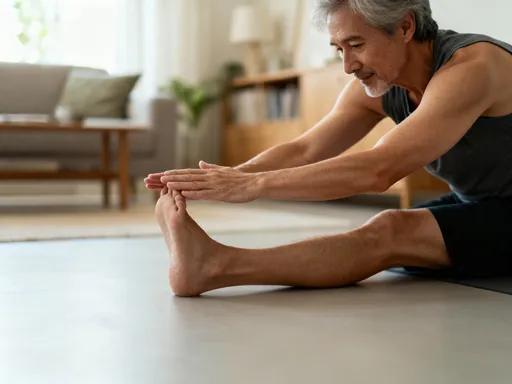
Mobility is the foundation of independence. The ability to move freely affects everything from getting out of bed to climbing stairs, dressing, and walking to the mailbox. After illness, stiffness and reduced range of motion are common, but they don’t have to be permanent. Gentle, daily mobility practices can significantly improve joint function, reduce discomfort, and restore confidence in movement. The key is consistency, not intensity. Even a few minutes a day can make a meaningful difference over time.
One of the most effective and accessible mobility routines includes gentle stretching, seated leg lifts, and short walking sessions. These activities are low-impact, meaning they place minimal stress on the joints while still promoting circulation and flexibility. For example, seated leg lifts strengthen the quadriceps and improve hip mobility, which supports standing and walking. Shoulder rolls and neck stretches help relieve tension that often builds up after periods of inactivity. Walking, even for just five minutes at a time, boosts cardiovascular health, improves balance, and enhances mood through the release of endorphins.
A simple 10-minute daily sequence might include: 2 minutes of seated marching (lifting knees gently while sitting), 2 minutes of arm circles and shoulder rolls, 2 minutes of ankle pumps and toe taps, 2 minutes of gentle neck and spine stretches, and 2 minutes of slow walking around the house or hallway. This routine can be done in one session or broken into smaller segments throughout the day. The goal is to move regularly, not vigorously. Over time, this routine can be expanded based on comfort and ability.
What makes these practices so effective is their cumulative impact. Each movement helps lubricate the joints, maintain muscle length, and improve coordination. They also train the nervous system to reconnect with the body, which is especially important after illness when movement patterns may have been disrupted. By making mobility a daily habit, you’re not just recovering from the past—you’re protecting your future. The body learns to move more efficiently, reducing strain and lowering the risk of injury. This is especially important for women over 40, who may face natural declines in flexibility and joint health due to aging.
Breathing and Core Reconnection: The Forgotten Foundation
One of the most overlooked aspects of recovery is breathing. After illness, many people develop shallow, chest-dominant breathing patterns as a result of fatigue, pain, or prolonged bed rest. This type of breathing limits oxygen intake, increases tension, and weakens the diaphragm—the primary muscle involved in respiration. More importantly, the diaphragm is also a core stabilizer. When it’s not functioning properly, the entire core system becomes less effective, leading to poor posture, reduced balance, and increased strain on the lower back.
Diaphragmatic breathing, also known as belly breathing, is a simple yet powerful tool for retraining the respiratory system and reactivating the core. This technique involves breathing deeply into the abdomen rather than the chest, allowing the diaphragm to move freely and fully. When practiced regularly, it improves oxygen delivery, reduces stress hormones, and enhances core stability. It also supports better posture, which makes everyday movements like standing, bending, and lifting safer and more comfortable.
A basic 5-minute routine can include lying on your back with knees bent, placing one hand on the chest and the other on the belly. Inhale slowly through the nose, allowing the belly to rise while keeping the chest still. Exhale gently through the mouth, feeling the belly fall. Repeat for 5 to 10 breaths, gradually increasing duration as comfort improves. This can be combined with gentle core engagement by lightly drawing the navel toward the spine during exhalation, without holding the breath or straining.
This practice may seem minor, but its effects are far-reaching. Improved breathing supports better sleep, reduces fatigue, and enhances mental clarity. It also prepares the body for more complex movements by establishing a stable core foundation. For women managing household responsibilities or caring for others, this kind of internal strength is essential. It allows for sustained energy throughout the day and reduces the physical toll of routine tasks. By reconnecting with breath and core, you’re rebuilding strength from the inside out.
Building Strength Without Strain: Smart Resistance Work
Strength is not just about lifting heavy weights—it’s about having the power to carry groceries, rise from a chair, or walk up a hill without exhaustion. After illness, muscle mass often declines, a condition known as sarcopenia, which can accelerate with age. Rebuilding strength is crucial not only for mobility but also for metabolic health, bone density, and fall prevention. The good news is that strength can be regained safely, even with minimal equipment and low intensity.
Bodyweight exercises and light resistance training are ideal for post-illness recovery. Wall push-ups, for example, build upper body strength without putting strain on the wrists or shoulders. To perform them, stand facing a wall, place hands on it at shoulder height, and slowly bend the elbows to bring the chest toward the wall, then push back. This movement strengthens the chest, shoulders, and arms in a controlled way. Resistance band rows are another excellent option. Sitting or standing, loop a band around a sturdy object, hold the ends, and pull the elbows back, squeezing the shoulder blades together. This targets the upper back and improves posture.
A progressive approach is key. Start with two sets of 8 repetitions for each exercise, focusing on slow, controlled movements and proper form. Rest for 30 to 60 seconds between sets. As strength improves, gradually increase to 10 or 12 reps, or add a third set. The goal is not to rush progress, but to build endurance and neuromuscular coordination. These small gains add up, leading to noticeable improvements in daily function.
Equally important is listening to the body. Strength training should never cause pain. Mild muscle fatigue is normal, but sharp or persistent discomfort is a signal to stop and reassess. Rest days are essential for muscle recovery and growth. Aim to perform strength exercises 2 to 3 times per week, allowing at least one day of rest in between. This rhythm supports long-term progress without overexertion. Over time, increased strength leads to greater independence, reduced fatigue, and a stronger sense of physical capability.
Daily Life as Therapy: Integrating Rehab Into Routine
Rehabilitation doesn’t have to be confined to a specific time or place. In fact, some of the most effective rehab happens during everyday activities. Cooking, gardening, folding laundry, and climbing stairs all involve movement patterns that can be turned into therapeutic opportunities when done with awareness. The key is to approach these tasks mindfully, using proper posture, pacing, and body mechanics to support recovery rather than strain the body.
One helpful strategy is the “2-minute rule”—taking a short rest every 2 minutes during physically demanding tasks. For example, when preparing a meal, stand for 2 minutes, then sit on a stool for 1 to 2 minutes before continuing. This prevents overexertion and allows the body to recover in real time. Similarly, when gardening, alternate between standing and kneeling, or use a raised garden bed to reduce bending. These small adjustments make daily activities safer and more sustainable.
Home modifications can also support rehabilitation. Using a sturdy stool in the kitchen allows for seated meal prep, reducing lower back strain. Installing grab bars in the bathroom or using a shower chair enhances safety and confidence. Even simple changes like placing frequently used items within easy reach can prevent unnecessary stretching or lifting. These adaptations are not signs of weakness—they are smart strategies that protect the body and promote long-term independence.
By viewing daily life as an extension of rehab, you create a seamless integration of health-supportive habits. There’s no need to “find time” for exercise because movement becomes part of your routine. This approach is especially valuable for women who manage busy households and may feel they don’t have time for formal workouts. Every action, when done with intention, becomes a step toward greater strength and resilience.
Tracking Progress and Staying Motivated
Motivation can wane during recovery, especially when progress feels slow or invisible. This is why tracking non-scale indicators of improvement is so important. Weight is not the only measure of health—often, the most meaningful changes are functional. Did you walk to the end of the driveway without stopping? Can you now put on your shoes without sitting down? Are you less winded after climbing stairs? These small victories are powerful signs of progress, even if they don’t show up on a chart.
Keeping a simple journal can help you recognize these wins. Each day, jot down what you did—even if it’s just “5 minutes of stretching” or “walked around the block.” Over time, this record becomes a source of encouragement, showing how far you’ve come. It also helps identify patterns, such as days when energy is higher or when certain activities cause discomfort. This awareness allows for better planning and adjustments.
Plateaus and emotional dips are normal. There will be days when fatigue returns or motivation fades. During these times, setting micro-goals can help. Instead of aiming for 10 minutes of movement, aim for 2. Instead of focusing on the big picture, celebrate showing up. Consistency, not perfection, is the true measure of success. On tough days, remind yourself that healing is not linear—it’s a journey with ups and downs.
Professional guidance remains essential throughout this process. A physical therapist or healthcare provider can offer personalized advice, adjust exercises as needed, and ensure that your routine is safe and effective. Don’t hesitate to reach out if you’re unsure or experiencing new symptoms. Recovery is not something you have to navigate alone. With the right support, even the smallest steps can lead to lasting change.
Conclusion
Rehabilitation isn’t a finish line—it’s a daily commitment to staying strong. These methods aren’t flashy, but they’re proven, practical, and within anyone’s reach. By making small moves part of your life, you’re not just recovering—you’re building a body that can resist future illness. Your journey is personal, but you don’t have to walk it alone. With patience, awareness, and professional support, lasting health is possible. Every stretch, every breath, every step is a quiet act of strength. And over time, these quiet acts add up to a life of greater freedom, energy, and confidence.