How Acupuncture and Massage Changed My Recovery Game
For years, I ignored my body’s warning signs—chronic tension, low energy, constant aches. Then I tried acupuncture and massage not as quick fixes, but as part of a real, consistent recovery system. What I discovered wasn’t magic, but science-backed relief and deeper body awareness. This is how these ancient practices became my go-to for long-term wellness, and why every active person should understand their role in true rehabilitation.
The Hidden Cost of Ignoring Recovery
Many people believe that recovery is only necessary after an injury or intense physical event, like finishing a marathon or recovering from surgery. However, this mindset overlooks the everyday strain that modern life places on the body. Sitting for hours at a desk, carrying heavy bags, or even constant emotional stress contributes to physical wear and tear. Over time, small imbalances accumulate—tight shoulders, lower back discomfort, headaches—until they evolve into chronic conditions that disrupt daily life. The reality is that recovery is not just for athletes or those healing from trauma; it is a vital component of lifelong health for everyone, especially women managing multiple roles at home and work.
Consider the woman who spends her mornings preparing children for school, her afternoons at a computer, and her evenings cooking and cleaning. Her body rarely gets a chance to reset. Without intentional recovery, muscle tension builds, circulation slows, and the nervous system remains in a state of low-grade alert. This constant activation can lead to fatigue, sleep disturbances, and even digestive issues. Yet, many dismiss these symptoms as “just part of getting older” or “what busy life feels like.” This normalization of discomfort creates a dangerous gap between awareness and action—knowing that self-care matters, but not prioritizing it in practice.
What’s often missing is a structured approach to recovery that fits into real life. Unlike acute injuries, which prompt immediate medical attention, the slow decline of physical well-being sneaks in quietly. By the time pain becomes unavoidable, the body has already been signaling distress for months, if not years. Recognizing recovery as a preventive measure—not a reactive fix—can shift how women in their 30s, 40s, and 50s care for themselves. It’s not about adding more to an already full schedule, but about integrating small, sustainable practices that preserve energy, mobility, and resilience over time.
What Acupuncture Really Is (And What It Isn’t)
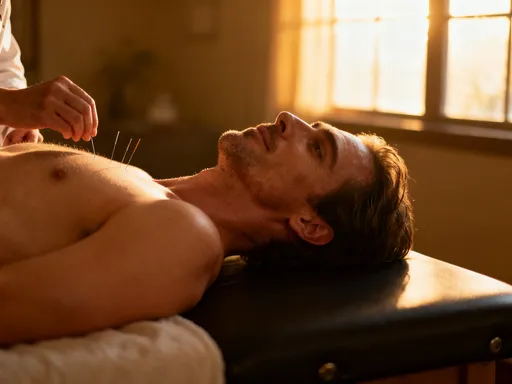
Acupuncture is often misunderstood as a mystical or alternative treatment with unproven benefits. In truth, it is a well-documented therapeutic technique rooted in traditional Chinese medicine, now supported by modern scientific research. It involves the insertion of extremely fine, sterile needles into specific points on the body known as acupoints. These points are located along pathways called meridians, which are believed to regulate the flow of energy, or qi. While the concept of qi may sound abstract, the physiological effects of acupuncture are measurable and increasingly validated by clinical studies.
One of the most well-established mechanisms of acupuncture is its ability to stimulate the nervous system. When needles are placed at certain points, they trigger sensory nerves that send signals to the brain. In response, the brain releases natural pain-relieving chemicals such as endorphins and enkephalins. This process helps reduce the perception of pain and promotes a sense of calm. Additionally, acupuncture has been shown to improve local blood circulation, which supports tissue repair and reduces inflammation. These responses are not magical—they are biological reactions that the body is already equipped to produce, simply activated through precise stimulation.
It’s important to clarify what acupuncture does not do. It is not a cure-all for serious medical conditions such as cancer, diabetes, or heart disease. Instead, it functions as a supportive therapy that enhances the body’s self-regulating abilities. For women experiencing chronic tension, fatigue, or stress-related symptoms, acupuncture can help restore balance. Research from institutions like the National Institutes of Health has found acupuncture effective in managing conditions such as chronic low back pain, osteoarthritis, and tension headaches—issues that commonly affect middle-aged adults. When used consistently, it becomes a tool for maintaining physical comfort and mental clarity, not a last-resort intervention.
Skepticism is natural, especially when it comes to treatments that have cultural or historical roots outside Western medicine. But growing evidence supports acupuncture’s role in integrative care. Clinical trials have demonstrated its effectiveness in reducing both the frequency and intensity of migraines, improving sleep quality, and even helping regulate menstrual cycles. For women navigating hormonal changes during perimenopause or menopause, acupuncture may offer relief from hot flashes, night sweats, and mood fluctuations. These benefits are not immediate or guaranteed for everyone, but with regular sessions and realistic expectations, many find it to be a valuable part of their wellness routine.
The Science Behind Massage That Goes Beyond Relaxation
Massage is often associated with luxury spa days or occasional indulgences—a treat saved for special occasions. While relaxation is certainly a benefit, the therapeutic value of massage extends far beyond temporary comfort. When applied with intention and consistency, massage functions as a form of physical medicine that supports muscle recovery, improves circulation, and enhances overall body function. For women managing daily physical and emotional demands, regular massage can be a powerful tool for maintaining mobility and reducing the cumulative effects of stress.
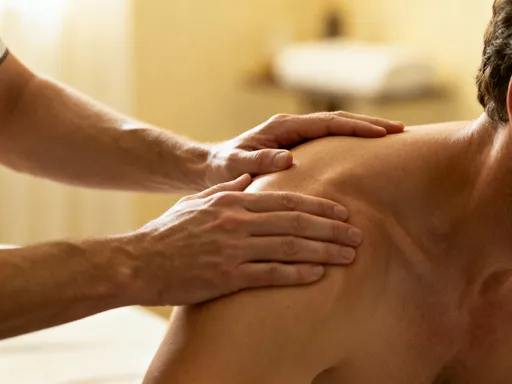
One of the primary physiological effects of massage is the reduction of muscle tension. When muscles are overused or held in prolonged contraction—such as from sitting at a desk or carrying children—they develop tightness and trigger points, which are localized areas of hypersensitivity. Deep tissue massage and myofascial release techniques target these areas, helping to break up adhesions in the connective tissue and restore normal movement. This not only alleviates pain but also prevents the development of compensatory movement patterns that can lead to joint strain and injury over time.
Beyond muscle relief, massage supports circulatory and lymphatic health. The mechanical pressure applied during a session encourages blood flow, delivering oxygen and nutrients to tissues while removing metabolic waste products like lactic acid. This process accelerates recovery after physical activity and reduces feelings of heaviness or fatigue in the limbs. Additionally, massage stimulates the lymphatic system, which plays a key role in immune function and fluid balance. For women who experience bloating or swelling, particularly during hormonal shifts, this can provide noticeable relief.
There are several types of therapeutic massage, each with specific benefits. Swedish massage focuses on relaxation and general circulation, making it ideal for stress reduction. Deep tissue massage targets deeper muscle layers and connective tissue, beneficial for chronic tension or repetitive strain. Myofascial release addresses restrictions in the fascia—the web-like connective tissue surrounding muscles—which can contribute to postural imbalances and restricted movement. Sports massage is designed for active individuals, helping to prevent injury and improve performance. Choosing the right type depends on individual needs, but consistency is more important than the specific modality. A monthly spa visit offers momentary relief, but weekly or biweekly sessions integrated into a recovery plan yield lasting changes in posture, flexibility, and energy levels.
Why a Systematic Approach Beats Random Treatments
Many people try acupuncture or massage once, hoping for immediate results, and then abandon the practice when they don’t feel dramatically better after a single session. This approach misunderstands how these therapies work. Like exercise or healthy eating, recovery practices require consistency and structure to produce meaningful change. A systematic recovery plan—incorporating regular sessions, proper timing, and integration with other healthy habits—creates a foundation for long-term well-being that random, isolated treatments cannot match.
Think of recovery like maintaining a garden. One watering won’t sustain a plant through a dry season. Similarly, a single massage or acupuncture session may provide temporary relief, but it won’t correct deep-seated imbalances. A structured routine allows the body to adapt gradually. For example, weekly acupuncture over several months can help regulate the nervous system, reduce inflammation, and improve sleep patterns. Regular massage can progressively release chronic muscle tension, improve posture, and increase joint mobility. The cumulative effect is not just symptom reduction, but a shift in how the body functions on a daily basis.
Consider the case of an office worker who experiences neck and shoulder pain from prolonged computer use. If she receives a massage only when the pain becomes unbearable, she’s reacting to a crisis rather than preventing it. But if she schedules a session every two weeks, combined with ergonomic adjustments and daily stretching, she interrupts the cycle of tension before it escalates. The same principle applies to acupuncture for stress management. Occasional sessions may offer brief calm, but a consistent schedule—such as once a week for six weeks—can help retrain the body’s stress response, leading to lower baseline anxiety and improved emotional resilience.
Building a recovery system also involves tracking progress and making adjustments. This might include noting changes in pain levels, sleep quality, or energy in a journal. Over time, patterns emerge—perhaps certain activities trigger discomfort, or specific treatments yield better results. This feedback loop allows for personalization, ensuring that the recovery plan evolves with changing needs. For women balancing family, work, and personal health, a systematic approach brings clarity and control. It transforms recovery from an afterthought into a deliberate, empowering practice that supports a full, active life.
How I Built My Own Recovery Routine (And What Worked)
My journey with acupuncture and massage began out of necessity. Years of juggling parenting, household responsibilities, and part-time work had left me with persistent lower back pain, frequent headaches, and constant fatigue. Over-the-counter pain relievers offered only short-term relief, and I knew I needed a different approach. I started by consulting a licensed acupuncturist who took a full health history and assessed my lifestyle. Together, we developed a plan: weekly acupuncture sessions for the first month, focusing on stress reduction and pain management, followed by biweekly visits as my symptoms improved.
At the same time, I incorporated massage therapy into my routine. I chose a licensed massage therapist trained in myofascial release, as I had significant tightness across my upper back and shoulders. We agreed on a schedule of every other week, aligning the sessions with my acupuncture appointments when possible. I also committed to simple daily habits—walking for 20 minutes, doing gentle stretching before bed, and practicing mindful breathing during stressful moments. These small additions amplified the benefits of the professional treatments, creating a holistic recovery system.
The changes were not immediate, but within six weeks, I noticed real differences. My sleep became deeper and more restful. The morning stiffness in my back lessened, and I could move more freely throughout the day. Headaches, once frequent, became rare. Perhaps most surprisingly, my mental clarity improved. I felt less overwhelmed and more present with my family. These benefits were not due to any single session, but to the consistency of the routine and the synergy between different elements of care.
Of course, there were challenges. The cost of regular sessions was a concern, especially at first. To manage this, I looked for clinics offering package rates or sliding scale fees. I also prioritized recovery as a non-negotiable part of my budget, recognizing that investing in my health saved money in the long run by reducing the need for medications and doctor visits. Time was another obstacle, but by scheduling appointments during school hours or coordinating with my partner, I made it work. The initial discomfort of deep tissue massage was surprising, but my therapist guided me through it, reminding me that some soreness is normal when releasing long-held tension. With patience and persistence, what once felt like a luxury became an essential part of my self-care.
When to Seek Professional Guidance (And Why It Matters)
While acupuncture and massage offer significant benefits, they are most effective when integrated into a broader health strategy under professional guidance. These therapies should not replace medical evaluation or treatment for serious conditions. Instead, they work best as complementary practices that support conventional care. For women managing chronic pain, hormonal changes, or stress-related symptoms, consulting with a licensed practitioner ensures safe and appropriate use of these techniques.
Licensed acupuncturists and massage therapists undergo rigorous training and adhere to strict hygiene and safety standards. They are trained to recognize red flags—such as signs of nerve compression, circulation issues, or underlying medical conditions—that may require referral to a physician. Self-treatment or seeking care from unqualified providers can lead to ineffective results or, in rare cases, harm. For example, certain acupuncture points are contraindicated during pregnancy, and deep massage may not be safe for individuals with blood clotting disorders. A qualified practitioner tailors the treatment to the individual’s health status, ensuring both safety and effectiveness.
Personalized assessment is another critical advantage of professional care. A one-size-fits-all approach rarely works in wellness. What helps one person may not help another. A skilled practitioner evaluates posture, movement patterns, and medical history to design a targeted plan. This level of customization increases the likelihood of positive outcomes and helps avoid wasted time and resources. Moreover, professionals can educate clients about their bodies, explaining the source of discomfort and how treatments address it. This knowledge empowers women to make informed decisions about their health and become active participants in their recovery.
Viewing wellness as a team effort—collaborating with doctors, physical therapists, acupuncturists, and massage therapists—creates a more complete picture of care. No single provider has all the answers, but together, they can address different aspects of health. For instance, a physician may diagnose a musculoskeletal issue, a physical therapist can guide rehabilitation exercises, and a massage therapist can relieve muscle tension that hinders progress. This integrative model respects the complexity of the human body and honors the unique needs of each individual.
Building Long-Term Health Awareness Through Body Listening
One of the most profound benefits of regular acupuncture and massage is the development of body awareness. Over time, these practices teach individuals to listen to their bodies—to notice subtle signals before they become loud warnings. A slight tightness in the neck, a change in sleep quality, or a shift in energy levels can all serve as early indicators of imbalance. When women learn to recognize these cues, they can respond proactively, adjusting their routines before discomfort escalates into pain.
This kind of body literacy transforms how recovery is perceived. It moves beyond symptom management and becomes a form of self-respect—a daily commitment to honoring one’s physical and emotional needs. Acupuncture and massage enhance this awareness by creating moments of stillness and presence. During a session, the body is not being pushed or performed upon; it is being attended to, supported, and given space to heal. This experience fosters a deeper connection between mind and body, encouraging mindfulness in everyday life.
Regular self-check-ins can reinforce this awareness. Taking a few minutes each day to scan the body—starting from the feet and moving upward—helps identify areas of tension or discomfort. Noticing how different activities affect the body, such as standing for long periods or emotional stress, allows for small adjustments that prevent larger problems. Mindful movement practices like walking, yoga, or tai chi further support this connection, promoting both physical health and mental calm.
Ultimately, recovery is not a destination but an ongoing process. It is not something to be pursued only when pain arises, but a consistent practice that sustains vitality through the years. For women in midlife and beyond, integrating acupuncture and massage into a structured recovery plan offers more than physical relief—it provides a framework for resilience, balance, and long-term well-being. By treating recovery as an act of self-respect rather than a last resort, women can reclaim their energy, move with greater ease, and live fully in their bodies for years to come.